



Breaking Free from Imposter Syndrome: Part 2
The first step in overcoming imposter syndrome is acknowledging that you're experiencing it. Often, simply recognizing that you’re dealing with these feelings can be incredibly freeing. Once you’ve identified that you're struggling with imposter syndrome, you can start pinpointing the

Breaking Free from Imposter Syndrome: Part 1
Have you ever found yourself doubting your abilities, even after years of professional experience? Maybe your colleagues refer to you as an expert, seeking your advice and input, yet you still feel like a fraud. You might attribute your success to luck or the right connections, leaving you with a nagging fear of being exposed as an imposter. If this resonates with you, you may be experiencing what we call…

Breaking the Misconception: I’m Not Struggling Enough for Therapy
Many individuals believe that therapy is only necessary for those grappling with severe depression, or debilitating anxiety. This misconception can prevent many from seeking the help they may need. A common question I encounter is, “What diagnosis do I need for my insurance to cover therapy?”

Finding Balance to Prevent Burnout: 10 Tips for Managing Personal and Professional Life
Balancing work and personal life can often feel like an uphill battle. You might find yourself preoccupied with work tasks, working late into the evening, or constantly thinking about meetings while preparing dinner. Despite having your children entertained with devices or TV, you might still experience guilt for not engaging with them more. The house might be in disarray, and you could be grateful for a brief moment of silence, only to be simultaneously eager for bedtime to come and yet, reluctant to see the day end.

Is Your High-Stress Career Contributing to Clinical Anxiety?
In the world of high stress careers success is often measured by efficiency, results, outcomes, and sales numbers. Despite outward appearances many high performing professionals battle with stress, anxiety, depression and self doubt. While professionals may feel compelled to maintain appearances that “all is good and well” it is vital that they keep a pulse on their own mental health and understand signs and symptoms of anxiety that might warrant clinical attention.
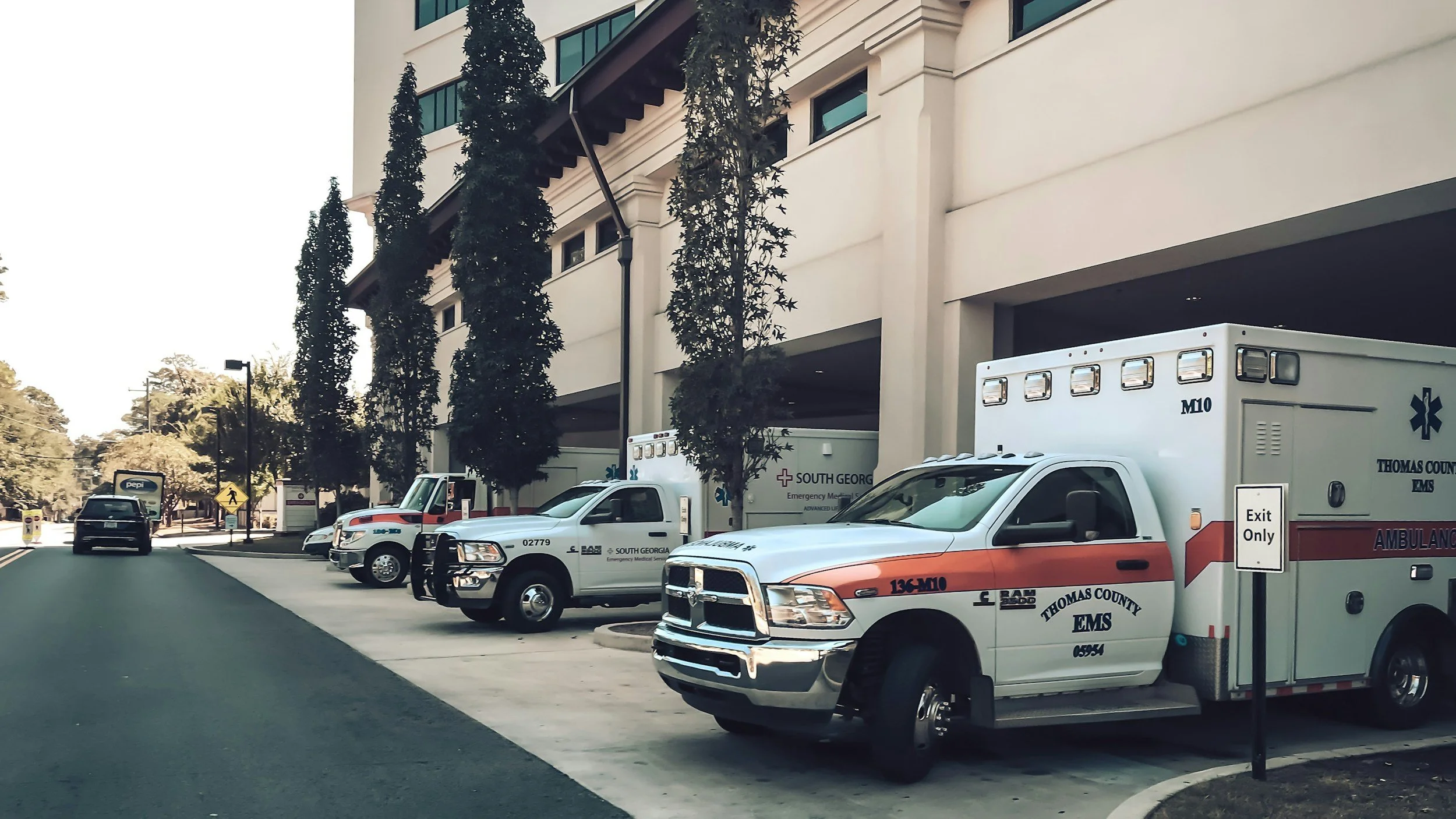
Post-Traumatic Stress Disorder (PTSD) in First Responders
According to the National Alliance on Mental Illness, approximately 18-24% of dispatchers and 35% of police officers experience PTSD. These figures may not fully encompass those who endure symptoms causing clinically significant distress but do not meet the full criteria for PTSD or other diagnoses such as Acute Stress Disorder.

Therapy for Professionals: A Crucial Support System for Nurses, Teachers, First Responders, and More
In a world where the demand for excellence and resilience is ever-present, professionals such as nurses, teachers, first responders, and other critical workers often find themselves under immense pressure. The public perception might be that these roles are filled by invincible individuals who can handle any challenge thrown their way. However, this is far from the truth. The emotional and psychological toll of these high-stakes careers can be substantial, and therapy can be a vital tool in managing this burden. Let's explore why seeking therapy is not only okay but highly recommended for professionals in these demanding fields.